
 Italy · Summer 1867
Part of: The Quaker City excursion · 6 of 39
6 · Paris · 4 – 13 Jul
The barber of Paris

Trip details
- When
- 8 Jun – 19 Nov 1867
- How long
- 165 days
- Who went
- Me, sixty-odd pilgrims, and the Doctor, Jack and Dan
- Stops
- 39
- Getting around
- The Quaker City, trains, a great many horses and one donkey
From the time I was a boy I had heard of the barbers of Paris. A man went into a palace of mirrors and velvet, and lay back in a chair of state, and a gentle artist with soft hands lathered him with perfumed soap, and passed a razor over him like a breath of spring, and he came out into the boulevard a new and fragrant being. I had come four thousand miles, and the first thing I did in Paris was look for that palace.
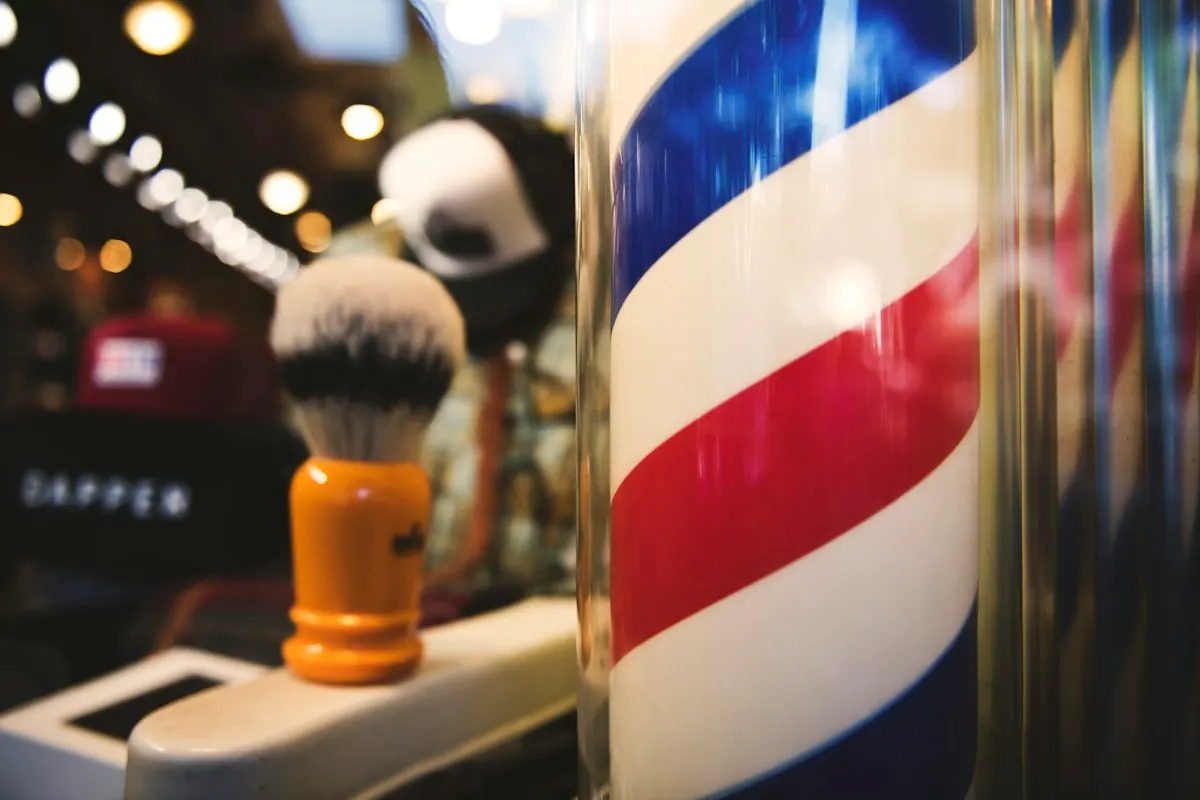
I found a barber's shop down a side street with a pole outside and a smell of onions within. There were no mirrors. There was no velvet. There was a chair that had been made for some other purpose, possibly a dentist's, and a man in a shirt that had seen things. He sat me down and tied a cloth round my neck as if he meant to keep it, and lathered me with a soap that had been in the family a long time and had not been happy there.
Then he took up the razor. I do not know where he had got that razor. I believe he had inherited it from a man who used it for splitting kindling. He laid it to my cheek and began to plough, and I began to pray, and I am not a praying man, but the pilgrims would have been proud of me. He shaved me in long rakes, with a sound like a man going over a stubble field, and when he came to my upper lip he paused, and breathed heavily, and went at it with both hands.
When it was over he bowed and said a word I took to be voilà. I paid him and went out and felt my face and found most of it there. I have not been shaved by a Frenchman since, and I have given up the dream. It went the way of the others: the gondolier who sings, the noble Arab of the desert, and the guide who knows something.
The guide
In Paris we hired a guide. He said his name was Billfinger, but by the second morning we were calling him Ferguson, and we called every guide Ferguson from then on, in every country, because it saved the trouble of learning their names and none of them ever objected. Ferguson took us to everything. He took us to the shops of his cousins, the cafés of his uncles and the cathedral of his grandfather, and at every one of them he waited outside to be paid by somebody.
We saw the Emperor Napoleon and the Sultan of Turkey ride through the Bois de Boulogne together, which was a fine sight, and the can-can, which I watched with my hands over my face, the way a man looks at an eclipse, through the cracks. I will not describe it. My mother reads these.